HalfbloomCoffee Roasters

Roastery & caféCollingwood, Melbourne

Roasted on Tuesday. Brewed by you.

Small-batch specialty coffee from a cast iron drum in a Collingwood laneway. Drink it at our bar, or take a bag home and get the recipe right with the Brew Lab: dose, water, grind, temperature and a live pour timer.

Open the Brew Lab
Next roast
Tuesday & Friday
Café
Open daily from 7 a.m.
Bags
From A$19 / 250 g
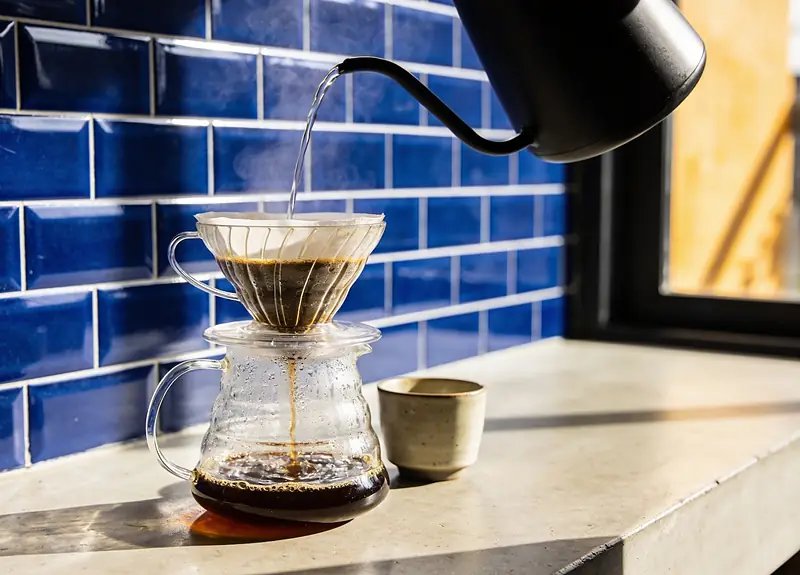
Hot water pouring from a black gooseneck kettle into a glass pour-over cone, cobalt blue tiles behind, morning sun on the counter
On the bar today V60 · Ethiopia Guji 18 g coffee · 288 g water 95 °C · medium-fine · 3:30 Brew this at home

01 · The Brew Lab

Your recipe, worked out. Your pour, timed.

Pick a brewer and how much you want. The Lab gives you the coffee and water by weight, grind, temperature and what it costs, then talks you through the pour second by second.

Brewer
How much?

1 cup of 250 ml

1:16

Balanced

Coffee18 gground medium-fine
Water288 g≈ 252 ml in the cup
Temperature95 °C
Brew timeAbout 3:00 to 3:30 in total
Coffee costA$1.73per 250 ml cup · A$7.50 for a pour-over at our bar
Strength63 g of coffee per litreSCA Golden Cup: about 55 g per litre

Grind size · Medium-fine, like table salt

  1. Extra fine
  2. Fine
  3. Medium-fine
  4. Medium
  5. Coarse

Before you start

  1. Heat water to 95 °C: about 30 seconds off the boil.
  2. Rinse the paper filter with hot water and tip that water away.
  3. Grind 18 g of coffee, medium-fine (400–700 µm).
  4. Put the brewer on the scale and tare it. You will pour 288 g of water.

0:00 / 3:30

Step 1 of 4

Bloom

Pour 36 g, just enough to wet all the grounds. Give the cone a gentle swirl.

Scale should read0 g

Pour profile: what the scale should read over time 136 g2173 g3288 g4
  1. 10:00Bloom Pour 36 g, just enough to wet all the grounds. Give the cone a gentle swirl.
  2. 20:45First pour Pour in slow circles until the scale reads 173 g.
  3. 31:15Second pour Keep pouring, a little more gently, up to 288 g.
  4. 41:45Swirl and draw down One gentle swirl so the bed settles flat, then let it drain. It should finish around 3:00 to 3:30.

Starting points, not rules: every bean and grinder is different, so taste and adjust. Strength and temperature follow the Specialty Coffee Association’s Golden Cup reference (about 55 g of coffee per litre, water at 90 to 96 °C). French press steps follow James Hoffmann’s widely shared technique. The 2 g of water held per gram of ground coffee is a rule of thumb, not a measured value. Grind sizes are approximate. Costs use the shelf price of a 250 g bag.

02 · On the shelf this week

Four coffees, roasted twice a week.

Each bag carries its roast date. Tap “Brew it” and the Lab loads that coffee with the brewer we’d reach for first.

01

Ethiopia Guji

Guji zone, Oromia

Floral and juicy. Our lightest roast, made for filter.

  • Jasmine
  • Peach
  • Bergamot
Acidity
5 out of 5
Sweetness
3 out of 5
Body
2 out of 5
RoastLight
Process
Washed
Altitude
1,950–2,200 m

A$24 250 gA$82 1 kg
02

Colombia Huila

Huila, southern Andes

Bright, sweet and round. Good in anything.

  • Red apple
  • Panela
  • Cocoa
Acidity
4 out of 5
Sweetness
4 out of 5
Body
3 out of 5
RoastLight-medium
Process
Washed
Altitude
1,700–1,900 m

A$22 250 gA$76 1 kg

03

Brazil Cerrado

Cerrado Mineiro

Nutty and heavy-bodied. Great in a plunger.

  • Hazelnut
  • Milk chocolate
  • Caramel
Acidity
2 out of 5
Sweetness
4 out of 5
Body
5 out of 5
RoastMedium
Process
Natural
Altitude
1,000–1,200 m

A$19 250 gA$64 1 kg

04

Tinamba Blend

Brazil · Colombia · Ethiopia

Our house espresso. Built to sing through milk.

  • Dark chocolate
  • Cherry
  • Toffee
Acidity
3 out of 5
Sweetness
5 out of 5
Body
4 out of 5
RoastMedium-dark
Process
Natural & washed
Altitude
Seasonal

A$20 250 gA$68 1 kg

Example coffees and prices for this demo.

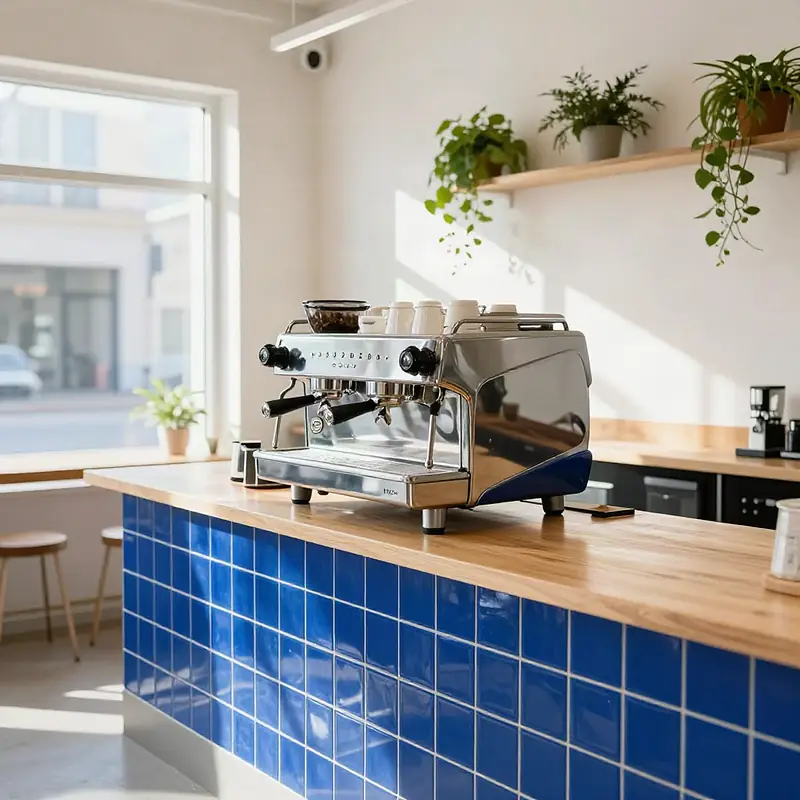
The bright café counter with a chrome espresso machine and cobalt blue tiles
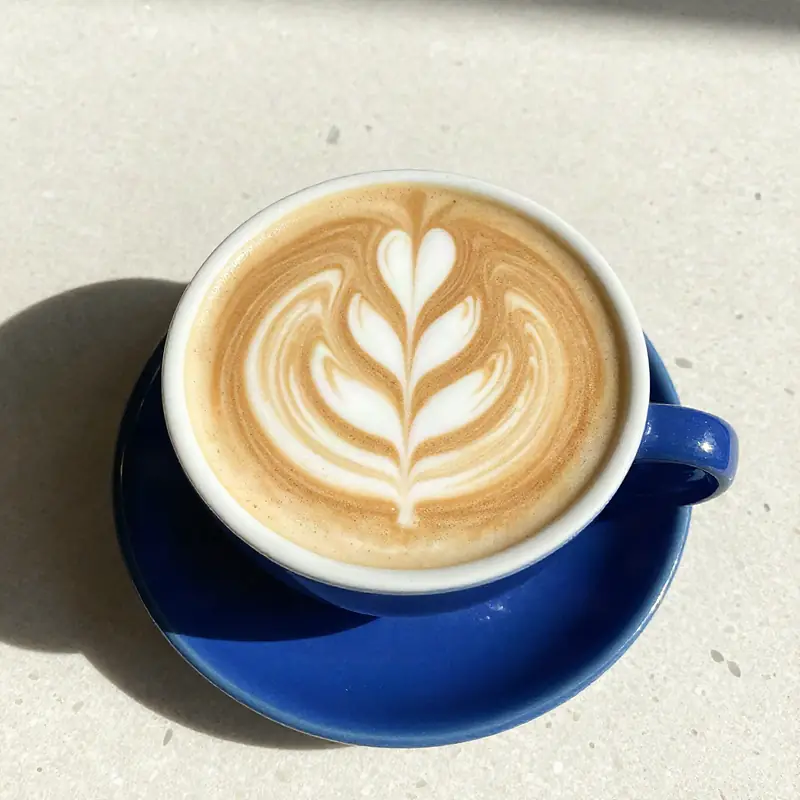
A flat white with tulip latte art on a cobalt blue saucer
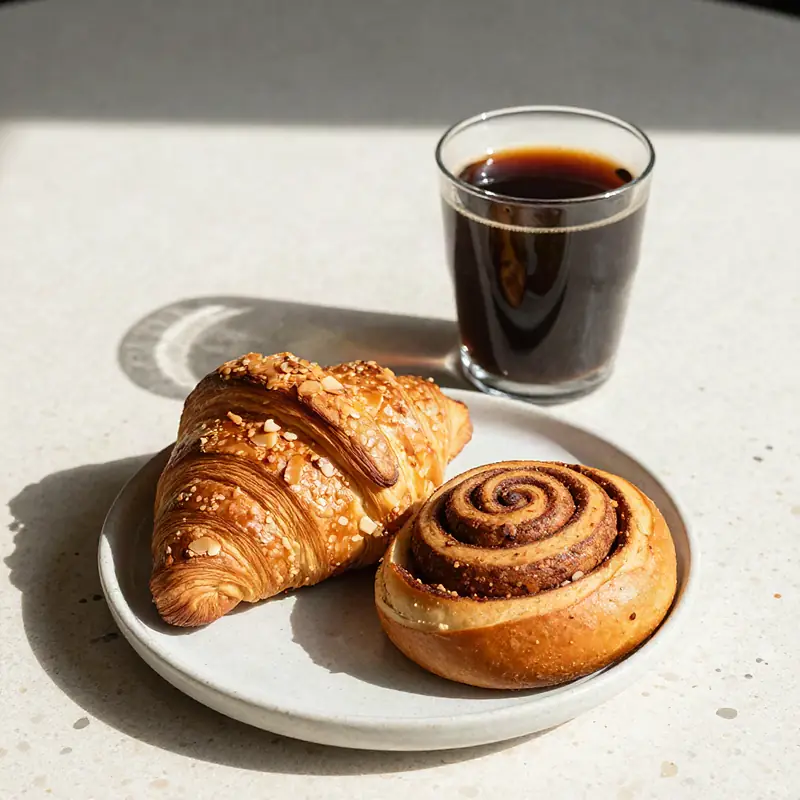
An almond croissant and a cinnamon scroll next to a long black

03 · The café

A bar in the roastery.

Espresso, filter and a short list of things from the oven, served ten metres from the roaster. Ask the barista what’s on the pour-over today.

Example menu and prices in Australian dollars.

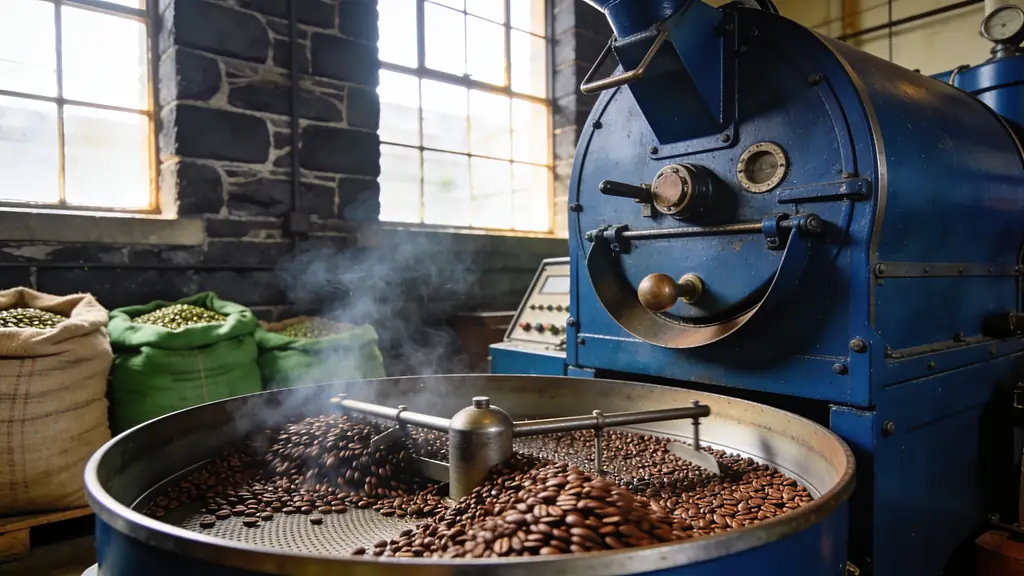
A blue cast iron drum roaster tipping freshly roasted beans into the cooling tray, jute sacks of green coffee behind

04 · The roastery

From cherry to cup.

Every Tuesday and Friday the drum fires up at 6 a.m. Each coffee gets its own roast curve, and each batch is tasted before it’s bagged.

Example roast curve: bean temperature rises from a turning point near 98 °C to 208 °C over ten minutes, with first crack at about 196 °C after eight minutes 100°150°200°0:002:004:006:008:0010:00 First crack · 8:00 Development
Example curve for a light filter roast.
  1. Cherry: Coffee is the seed of a fruit

    01

    Cherry

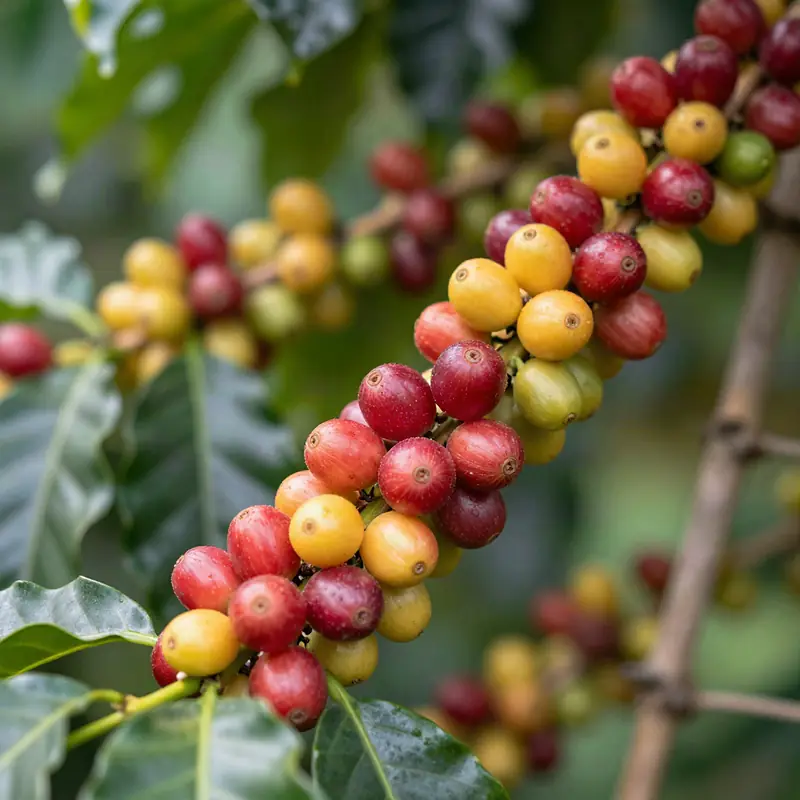
    Coffee is the seed of a fruit. We buy ripe, hand-picked lots through specialty importers who can tell us which farm or washing station each one comes from.

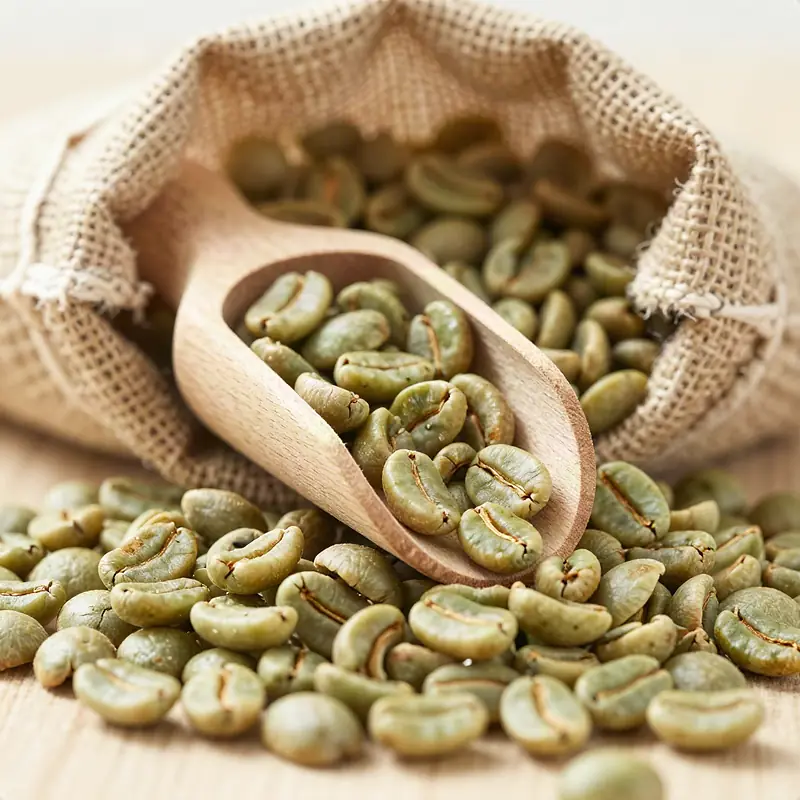
  2. Green: Green beans land in jute sacks and rest in the cool room

    02

    Green

    Green beans land in jute sacks and rest in the cool room. We sample-roast each lot and cup it before it earns a place on the shelf.

  3. Roast: Twelve-kilo batches on a cast iron drum, every Tuesday and Friday

    03

    Roast

    Twelve-kilo batches on a cast iron drum, every Tuesday and Friday. Each coffee has its own curve, logged second by second.

  4. Cup: Every batch is cupped the next morning against the last one

    04

    Cup

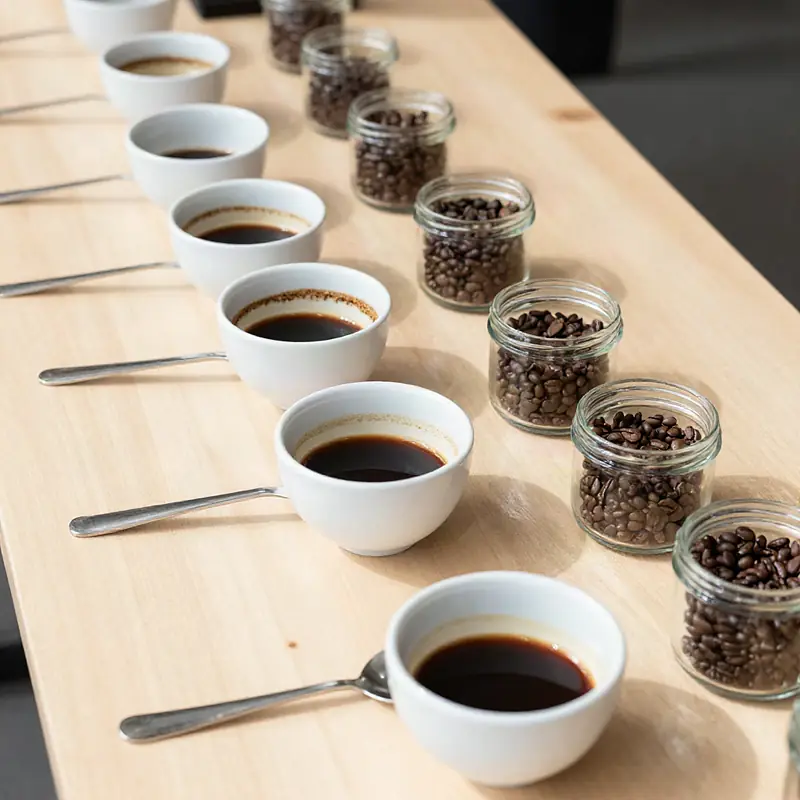
    Every batch is cupped the next morning against the last one. If it doesn’t taste like the label promises, it doesn’t leave the building.

05 · Beyond the bar

Beans at home, coffee at work.

Fresh bean subscription

A 250 g or 1 kg bag every one or two weeks, roasted on Tuesday and posted the same day. Pause or skip anytime.

From A$19 a bag

Wholesale for cafés and offices

Espresso and filter coffee for your café or office, with barista training, grinder set-up and a weekly delivery run.

Talk to us

Home brewing class

Ninety minutes on the bar with a roaster: pour-over, AeroPress and plunger, and how to dial in at home. Six people max.

A$65 per person

Saturday public cupping

Taste this week’s roasts side by side, slurp loudly and ask anything. Free, every Saturday at 10 a.m.

Free

Example services and prices.

06 · Around the bar

Slow mornings, fast shots.

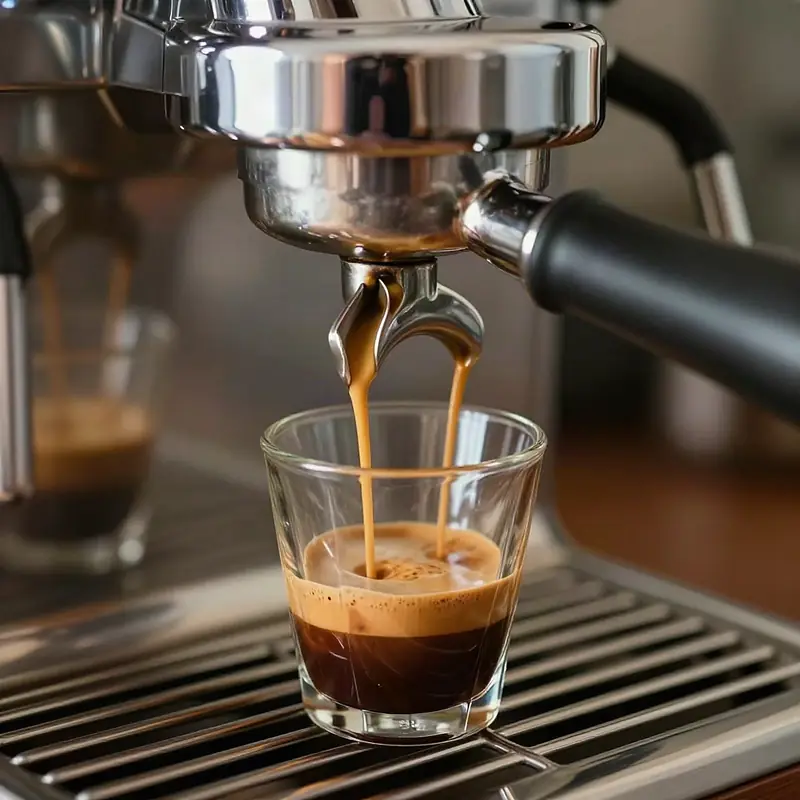
A double espresso pouring into a small glass
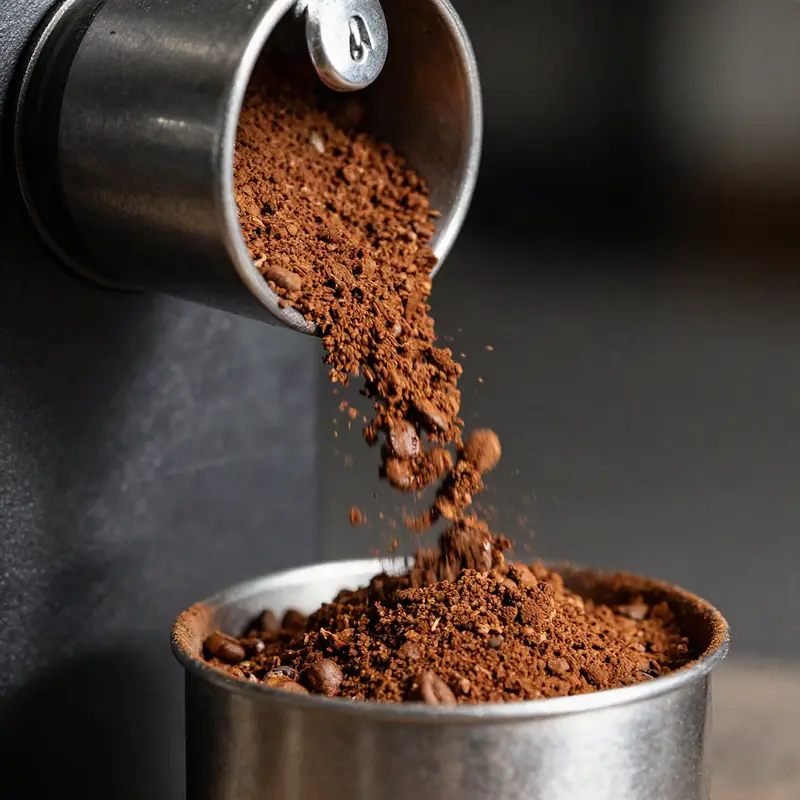
Freshly ground coffee falling from a burr grinder into a dosing cup
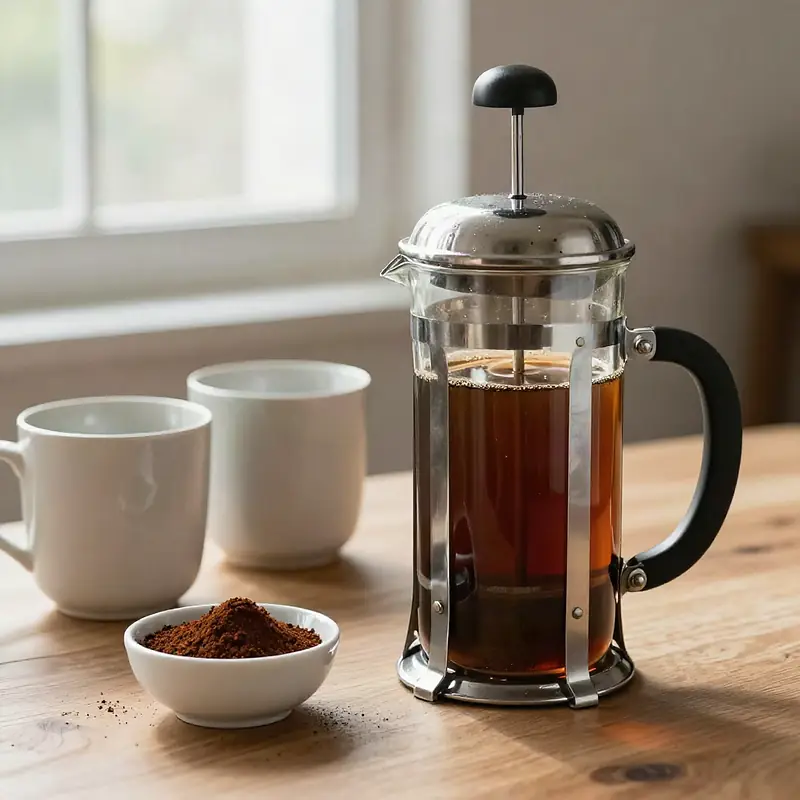
A French press of coffee with two mugs on a wooden table

“The Brew Lab timer finally fixed my V60. I was pouring way too fast. The Guji tastes like peach tea now.”

Example review Home brewer, Fitzroy

“Flat white is spot on, and they’ll happily explain the difference between the coffees without any snobbery.”

Example review Regular, Collingwood

“We switched our office to their wholesale blend. The delivery shows up every Monday and the training was great.”

Example review Office manager, Richmond

07 · Questions

Good to know.

Anything else? Ask at the bar, or write to us below.

How fresh are your beans?

We roast every Tuesday and Friday, and every bag carries its roast date. Filter coffees taste best from about 5 to 30 days after roasting, espresso from about 7 to 35 days.

Can you grind the beans for me?

Yes. Tell us how you brew (pour-over, plunger, AeroPress, espresso or stovetop) and we grind to suit. Whole beans stay fresh longer, so grind just before brewing if you can.

How much coffee should I use?

A good starting point for filter is 1 g of coffee for every 16 g of water, and 1:2 for espresso. The Brew Lab above works it out for any method and number of cups.

How do I store coffee at home?

Keep it in the bag it came in, squeezed and sealed, or in an airtight container, away from heat and sunlight. Skip the fridge: the beans pick up moisture and smells.

Do you have decaf and plant milks?

Oat, soy and almond milk are always on the bar. We usually carry a decaf too: ask what’s on this week.

Do you ship outside Melbourne?

Yes, bags go out by post anywhere in Australia, usually the same day we roast. In this demo, shipping costs and times are examples.

Is the café dog friendly?

Dogs are welcome at the tables out front on the lane, and there’s always a water bowl by the door.

08 · Visit

Down the lane, off Smith Street.

14 Tinamba Lane, Collingwood VIC 3066Fictional address for this demo

Open every day from 7 or 8 a.m. to 3 p.m.

Monday to Friday
7:00 a.m. to 3:00 p.m.
Saturday and Sunday
8:00 a.m. to 3:00 p.m.
Public holidays
8:00 a.m. to 1:00 p.m.

This week at the roastery

  1. MonCafé open
  2. TueRoast day
  3. WedCafé open
  4. ThuCafé open
  5. FriRoast day
  6. SatCupping 10 a.m.
  7. SunCafé open

Bags are posted anywhere in Australia; we deliver wholesale around Collingwood, Fitzroy, Abbotsford, Carlton, Richmond and the CBD.

Schematic map: Halfbloom is on Tinamba Lane, a short lane off Smith Street in Collingwood, between Johnston Street and Gertrude Street SMITH STJOHNSTON STGERTRUDE STTinamba Ln Trams on Smith St
Schematic, not to scale.

09 · Say hello

Beans, wholesale or a class?

Write to us and a roaster answers within a working day. For orders, the shop is the fastest way.

Send us a message

Demo form: nothing is sent or stored.

Demo website

This button is a demo

In your website, this button does the real thing.